
Food Business Licensing in Tanzania: TBS, TMDA or the Council
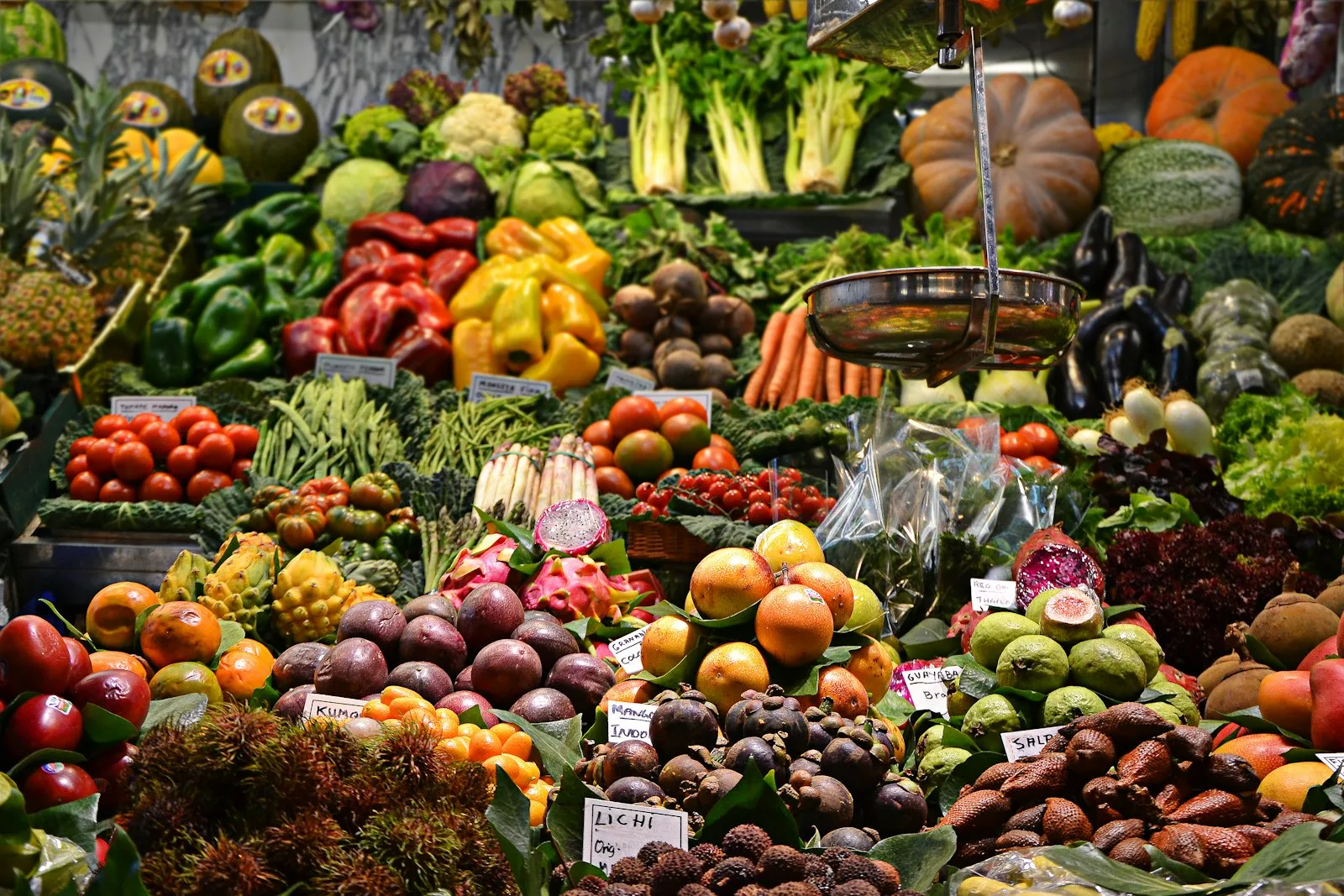
Which desk licenses a food business in Tanzania? On the Mainland the Tanzania Bureau of Standards registers food premises and certifies food products under the Standards Act Cap. 130, food and cosmetics having left the old Food and Drugs Authority in 2019. TMDA kept medicines, medical devices and diagnostics under Cap. 219, and takes a food file back only when the label carries a therapeutic claim. The district, municipal or city council issues the trade licence and the health clearance for the kitchen itself, and assesses the turnover levy. Unguja and Pemba run a separate food agency. Confirm live forms at tbs.go.tz.
This page is the food business licensing operating file: how to place a product, a premises and a trade with the three desks that can each stop it, in the order they take the work. It is not a food-safety management manual and not a substitute for the standard your product must meet.
- Buying processed food for resale: crop file before payment
- Sending the same product out: cashew export operating guide
- The company underneath the licence: complete business setup
- The sibling licence for farm inputs: TFRA dealer classes
As at 14 September 2026. This file rests on Cap. 130 and the regulations made under it, on Cap. 219, and on the Public Health Act, 2009; confirm live forms and charges at tbs.go.tz and at the council holding your ward.
Food left the drugs authority in 2019 and has not come back
The Finance Act, 2019 moved regulation of food and cosmetics away from the Tanzania Food and Drugs Authority and gave it to TBS. What remained was renamed the Tanzania Medicines and Medical Devices Authority.
Premises registration, product certification and the licence to apply the national standards mark now sit in the Standards (Registration of Premises and Certification of Products) Regulations, 2021, made by GN No. 683 of 2021. Charges sit in the fees instrument made under the Standards Act and move by Government Notice; no amount is reproduced here, and the zonal office gives its assessment in writing.
Both are Mainland instruments. Food premises in Unguja and Pemba answer to the Zanzibar Food and Drug Agency, with standards work at the Zanzibar Bureau of Standards, company records at BPRA rather than BRELA, and non-Union tax at ZRA rather than TRA.
Map the product before you book a desk
The first question is what the thing is in law, because one kitchen can produce items belonging to different regulators. A bottled juice is food. The same juice with “boosts immunity” on the shoulder label has made a therapeutic claim and moved toward medicines. Decide the claim, then print.
| What you are actually selling | Desk that holds it | Instrument | Usual stall |
|---|---|---|---|
| Packaged food, beverages, bottled water, spices, flour, edible oil | TBS: premises registration and product certification | Cap. 130; the 2021 registration regulations | Applying to the medicines desk from an old checklist |
| Supplement, herbal or fortified product carrying a health claim | TMDA | Cap. 219 | Selling a “wellness” sachet on a food file |
| Restaurant, bar, hotel kitchen, staff canteen, bakery counter | Council health office, then the trade licence | Public Health Act, 2009; Cap. 208 | Chasing a standards mark a service kitchen never needed |
| Alcoholic drinks | TBS on the product, council on the liquor licence, TRA on excise | Cap. 130; the Excise (Management and Tariff) Act | Producing before the electronic tax stamp file is open |
Screen the activity before you sign a lease
Non-citizen investors settle two questions before any regulator is approached. The reserved schedule published at GN No. 487A of 2025 keeps small-scale trading and petty food vending for citizens; manufacture, processing and wholesale generally sit outside it. The schedule is read as written, not as summarised in a broker’s message.
The second question is land. A non-citizen may not hold land for occupation under the Land Act except through a derivative right, which for an investment project runs through the Tanzania Investment Centre. A processing plant is tenure-heavy (floor drains, cold store, effluent, a weighbridge), and the route decides whether the building permit, and every approval stacked on it, can issue at all.
A hotel kitchen is not a food factory
Premises classification decides which regulator inspects. Where food is manufactured, processed, packed, blended or stored for supply beyond your own counter, TBS registers the building and an officer walks it: layout and product flow, separation of raw and finished goods, water source, cold chain, waste route, pest control, changing and washing facilities. Registration attaches to that address, so a second unit across town is a second file.
Where food is cooked and served to the person in front of you, the environmental health officer holds the file under the Public Health Act, 2009: premises inspection, a health clearance, medical examination certificates for everyone touching product, and the waste and water conditions in the by-laws.
A hotel bottling its own drinking water for guest rooms, a restaurant jarring chilli sauce for a supermarket shelf, a bakery starting to supply a fuel-station chain: each has begun manufacturing for supply, and picks up the standards file mid-contract and under time pressure.
What the council owns on the same premises
The trade licence sits in the Business Licensing Act Cap. 208, in two classes. Class A licences issue centrally through the ministry responsible for industry and trade for the categories the Act reserves to it; Class B licences issue from the council for everything else.
Around the licence sit the charges operators forget to budget: health clearance, food handlers’ certificates, refuse collection, signboard and advertisement fees set by by-law, and a service levy of 0.3% of turnover under the Local Government Finance Act Cap. 290. That levy is a tax on turnover payable where the premises sit, not a licence fee, and it does not pause because the year was unprofitable.
Imported food arrives with its own file
Imports run on their own instrument, the Standards (Imports Registration and Batch Certification) Regulations, 2021 (GN No. 681). TBS operates pre-shipment verification of conformity through appointed inspection agents in the country of supply, and the certificate of conformity issued there travels with the documents. A consignment landing without it is routed to destination inspection, with the delay and charges that follow; demurrage is usually the larger number.
A remaining shelf-life rule applies at entry, so stock bought cheaply because it is close to expiry can be refused outright: ask the zonal office for the live proportion before you place the order. The label must carry every particular the labelling standard names: product name, ingredients in descending order of weight, net content, the name and physical address of manufacturer and local importer, batch identification, manufacture and expiry dates in the prescribed form, storage instructions and country of origin.
The sequence the desks actually take
- Screen activity and ownership: the reserved schedule, and for a non-citizen the tenure route, before any lease deposit moves.
- Incorporate and open the tax file: BRELA registration, taxpayer identification, and a premises address written exactly as the council writes it, because every later form repeats it.
- Settle the building: lease or title, building and occupation permits, the fire certificate under the Fire and Rescue Force Act Cap. 427, workplace registration with OSHA, and an environmental certificate through NEMC under the Environmental Management Act Cap. 191 where the plant is caught.
- Register the premises: application under the 2021 regulations with the layout drawing, then the inspection and the defect list that follows it.
- Certify the product: samples to a recognised laboratory against the applicable Tanzania Standard, the certification decision, and for local manufacture the licence to apply the mark to that item.
- Take the council file: health clearance, food handlers’ certificates, then the trade licence.
- Open the levy diary: tax returns where registered, the turnover levy, payroll heads, and every renewal date entered a clear month early.
Documents the file needs
Certificate of incorporation with a current BRELA extract; taxpayer identification certificate; title deed or registered lease carrying the plot number as the council spells it; a scaled layout drawing showing product flow from goods-in to dispatch; a potability report for the water used in production; a pest-control contract naming the contractor; medical examination certificates for every food handler on the payroll, casuals included; final label artwork for each item; the process description and the shelf-life justification behind the expiry date you intend to print; laboratory test reports against the applicable standard; and control-number receipts for everything paid.
Illustrative arithmetic: a Dar es Salaam juice line
Take a leased unit in Mikocheni bottling three products (mango, passion and tamarind) with projected first-year turnover of TZS 1,200,000,000. Service levy at 0.3% under Cap. 290 is TZS 3,600,000 for the year, payable to the city council whether or not the line runs at capacity.
Assume the contract laboratory quotes TZS 250,000 a sample for the panel the standard calls for, and that the file needs two samples per product, one at application and one on verification. Six samples come to TZS 1,500,000; value added tax at the standard rate of 18% under the Value Added Tax Act Cap. 148 adds TZS 270,000, giving TZS 1,770,000 on the laboratory invoice alone.
Illustrative arithmetic, not a quotation: turnover, unit price and sample count are assumptions, and the real test panel belongs to the standard.
Where this file stalls
- An application lodged with the medicines authority for an ordinary food product, four weeks lost before it is returned unread
- A framed certificate from the old drugs authority treated as current registration by a landlord, a buyer or a bank
- Ten thousand labels printed before artwork was assessed, missing the batch code, the importer’s address or the expiry format
- Raw materials, finished goods and the staff toilet block sharing one doorway on the layout drawing
- Borehole water used in production with no potability report on file
- Health certificates for the supervisor and none for the twelve casuals on the line
- Trade licence in a director’s personal name while lease and registration sit with the company
Mandate-holders this file does not replace
TBS registers food premises, certifies products and licenses the standards mark. TMDA owns medicines, medical devices and diagnostics, and any product whose label crosses into treatment. The council owns the trade licence, the health clearance and the turnover levy. TRA owns taxpayer registration, value added tax, excise and the electronic tax stamp. The Weights and Measures Agency verifies scales and the declared net content on the pack; the Government Chemist Laboratory Authority owns the industrial chemicals used for cleaning and sanitising; TFRA and the plant-health desks own farm inputs, not the finished food.
Zatra prepares, structures and coordinates the pack, the sequence and the diary. It does not inspect premises, test samples, practise law, audit, or issue any licence or approval, and no regulatory outcome is promised.
What to confirm before you act
- Whether the label makes your product food, a cosmetic or a medicine, settled before a single application is lodged
- The live application forms and the written charge assessment at the TBS zonal office holding your region
- Whether the exact activity you will describe on the licence appears on the reserved schedule
- Which class of trade licence the council’s trade officer assigns to the activity
- The remaining shelf-life proportion applied at import, before a supplier is given the order
Frequently asked questions
Do I still apply to TMDA for a food product?
No. Food and cosmetics moved across to TBS in 2019 and the medicines authority no longer registers them. The exception is a label promising to treat or prevent a condition, which turns the product into a medicine.
Does a restaurant need premises registration?
Normally not. A kitchen serving customers directly belongs to the council health office. Registration follows manufacture, packing or storage for onward supply, which includes bottling and jarring for a retail shelf.
Is the trade licence the same as the food permit?
No. Cap. 208 authorises the trade; health clearance covers the premises and the standards file covers the product. Councils will not issue or renew a licence while the health file remains open.
Must every product carry the national standards mark?
Locally manufactured certified products are licensed to apply it, item by item. Imports run through consignment or batch certification instead. Ask the zonal office which route yours takes before the pack is designed.
Does a Mainland registration work in Zanzibar?
No. Island premises are regulated separately, licensed through island desks and taxed on the non-Union heads there. Budget a second file, a second diary and a second inspection rather than presenting a Mainland certificate.
What does registration cost?
The fees instrument under the Standards Act carries them, and it is revised by Government Notice, so no amount appears here. Take the written assessment from the zonal office. Zatra’s professional fee appears only on /pricing/.
Sources & regulators
Verify before filing: Rates, forms and thresholds move by Finance Act, Government Notice and portal revision. Confirm the live schedule on the mandate-holder portal before you budget or submit. Law-firm alerts and Big Four notes are discovery only.
- Tanzania Bureau of Standards: premises registration, product certification, the standards mark and pre-shipment verification of conformity under the Standards Act Cap. 130. Accessed 2026-09-14.
- Tanzania Medicines and Medical Devices Authority: the Cap. 219 mandate over medicines, medical devices and diagnostics that food files no longer belong to. Accessed 2026-09-14.
- Tanzania Revenue Authority: taxpayer registration, the value added tax rate and schedule, excise and electronic tax stamps. Confirm the live schedule. Accessed 2026-09-14.
- President’s Office, Regional Administration and Local Government, council trade licensing, health clearance and the service levy charged on turnover by the local authority. Accessed 2026-09-14.
- Zanzibar Food and Drug Agency: island food premises and product regulation, which runs separately from the Mainland regime. Accessed 2026-09-14.
Disclaimer
This article is informational orientation. It is not legal, tax or investment advice and not a government decision. Tanzanian instruments move by Act, Government Notice, Finance Act and portal revision. If a sentence here disagrees with the live mandate-holder, the mandate-holder wins. Zatra Consultants Limited does not issue licences, permits, tax clearances or approvals, and gives no assurance of any regulatory or banking outcome. Professional fees are published only on /pricing/.