
Buying Wholesale Tanzanian Processed Cashews: Crop File Before Payment
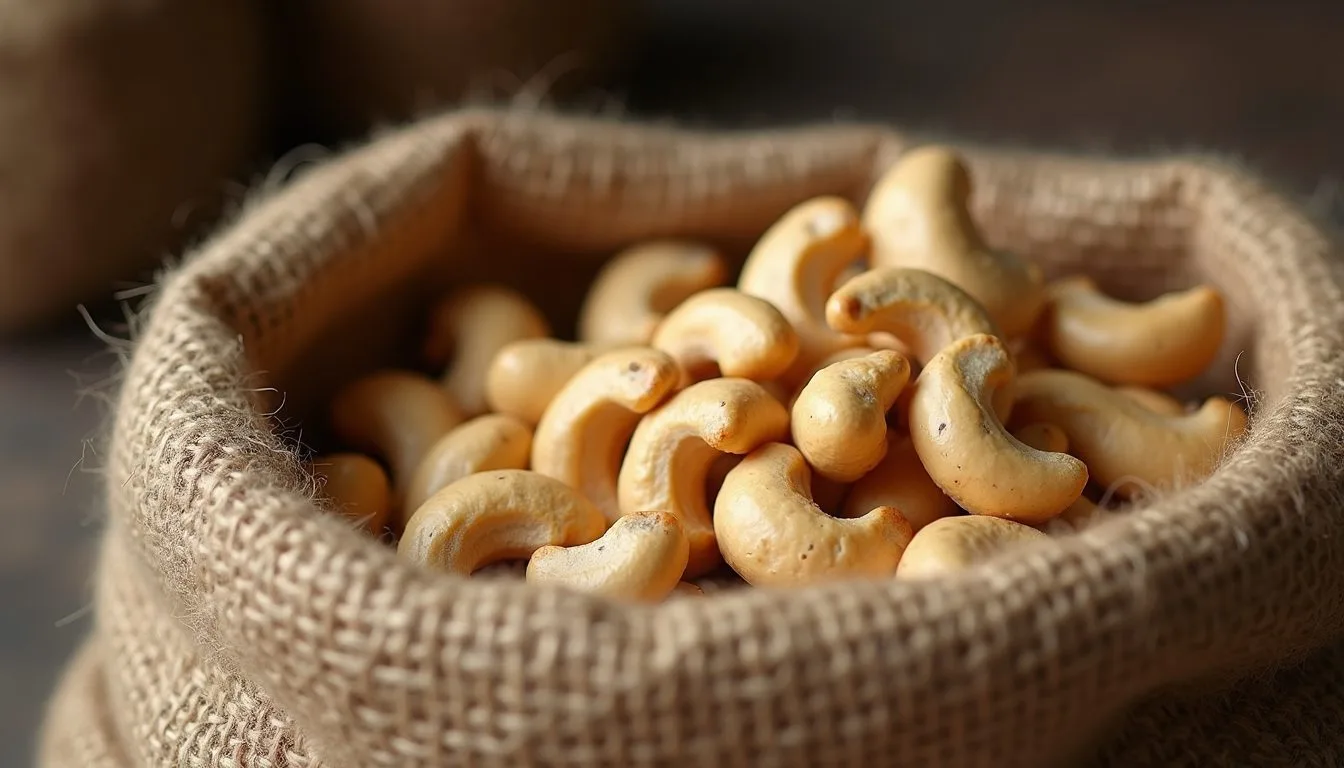
What should a buyer of processed Tanzanian cashews actually diligence? The plant: who is on the Cashewnut Board processor register, which crop year is in the cartons, whether the kernels were processed in Tanzania or only packed there, and the QC event before payment. This is not a TMX bid, not a bid-security deposit, and not a second copy of the kernel-sourcing page. Sourcing is the grade-and-documents conversation. This page is the crop-and-plant conversation: outturn already happened, you are buying the yield that survived. Confirm cashew.go.tz the week you wire.
As of September 2026, this page is the processed-cashew buy file: crop and inspection documents before the purchase order. A wholesale listing is not an export permit. Confirm live TRA and cashew rules. The licence map sits on the cashew licence guide.
Typical order of work
This is a planning sequence, not a guaranteed timeline.
- Confirm the lawful buyer entity and TIN — company registration alone does not authorise export of processed nuts.
- Verify processor identity — a wholesale listing is not an export permit.
- Confirm live crop, inspection and TRA documents — do this before you pay a supplier or book a container.
- Match invoices to the consignment file — supplier, buyer, tax invoices and crop documents for that shipment.
This page is the processed-crop file: plant identity, crop year, and what already failed at shelling. It is not the RCN auction guide and not the kernel-grade sourcing note, though it cross-links both so the three files stay distinct.
- RCN operating guide — auction, levy, working capital
- Kernel grade before payment — wholesale sourcing
As at 10 September 2026. Tanzania’s measured domestic shelling still runs at a few per cent of the raw crop on the figures the RCN guide cites. That scarcity is the commercial fact. It is not a reason to skip the plant’s Board class.
What “processed in Tanzania” has to mean
Processed means the nut was shelled, dried, peeled and graded — not that a container of Vietnamese kernels was restickered in Dar. Ask for the plant address, the Board processor class, and whether the lot is current-crop Tanzanian RCN or imported kernels. Restickering is an origin file. Destination customs and retailers will ask. A farm-sunset photograph is not a processing plant.
The RCN guide’s break-even: at about 22 per cent outturn, kernel must sell at roughly 4.5 times the raw price before a single processing cost. A processor quoting far below that ratio against the same week’s RCN is either selling a broken grade, selling a different origin, or selling a story. Do not freeze the ratio on this page as a live price. Use it as a sanity test, then inspect.
Crop year, infestation and the warehouse you cannot see on WhatsApp
Kernels pick up moisture and infestation in bad stores. Crop year and packing date belong on the carton. A “premium” lot from two seasons ago is a discount lot unless an inspector says otherwise. Vacuum tins and cartons with liners fail differently; write the packing in the contract. Independent inspection at the plant — cut test, moisture, packing integrity — before the wire is the control. Inspection at Hamburg is a claim, not a control.
Sequence for a first processed-kernel order
- Name the grade and packing. Do not start with “premium.”
- Print the seller’s Board processor (or kernel-export) class. Match the BRELA name.
- Ask origin: Tanzanian current crop, Tanzanian old crop, or imported kernels packed locally.
- Appoint an inspector at the plant, or fly your own. Write the accept/reject rule.
- Pay against the documents and the inspection certificate, not against a bowl photo.
- If you wanted RCN instead, stop and open the auction guide. Do not mix the deposits.
Failure modes: paying a trader who is not the processor; accepting “mixed wholes” as W320; assuming a TISEZA certificate is a Board class; treating this page as an investment prospectus. It is not. Zatra’s fee stays on /pricing/.
Sources & regulators
Verify before filing: Processor classes and inspection rules move. Confirm the plant’s register print the week you pay.
- Cashewnut Board of Tanzania — Processor register. Confirm the plant. Accessed 2026-09-10.
- TRA — Export tax when you are exporter of record. Accessed 2026-09-10.
- TBS — Packed-food standards where they apply. Accessed 2026-09-10.
Frequently asked questions
Is this the same as the sourcing page?
No. Sourcing is grade and documents. This page is plant, crop year and origin.
Is this the RCN auction?
No. Auction and bid security live on the 2026/27 operating guide.
Can kernels be imported and restickered?
Ask. Origin claims have to survive destination customs.
Is this an investment pitch?
No. It is a crop file. Approvals and margins are not guaranteed.
Next step: Wholesale cashew is a supplier and export-compliance file.
Agriculture and trade Contact setup desk WhatsApp +255 747 912 965
Office +255 788 466 212 · WhatsApp +255 747 912 965 · [email protected] · Sinza A, Sam Nujoma Road, First Floor, Mwenge Tower, Opposite Mlimani City, Dar es Salaam.
See supplier vetting for the live desk route.
The live desk for this file is investment-readiness and fundraising.