
Fire Safety Certificates in Tanzania: Which Premises Need One
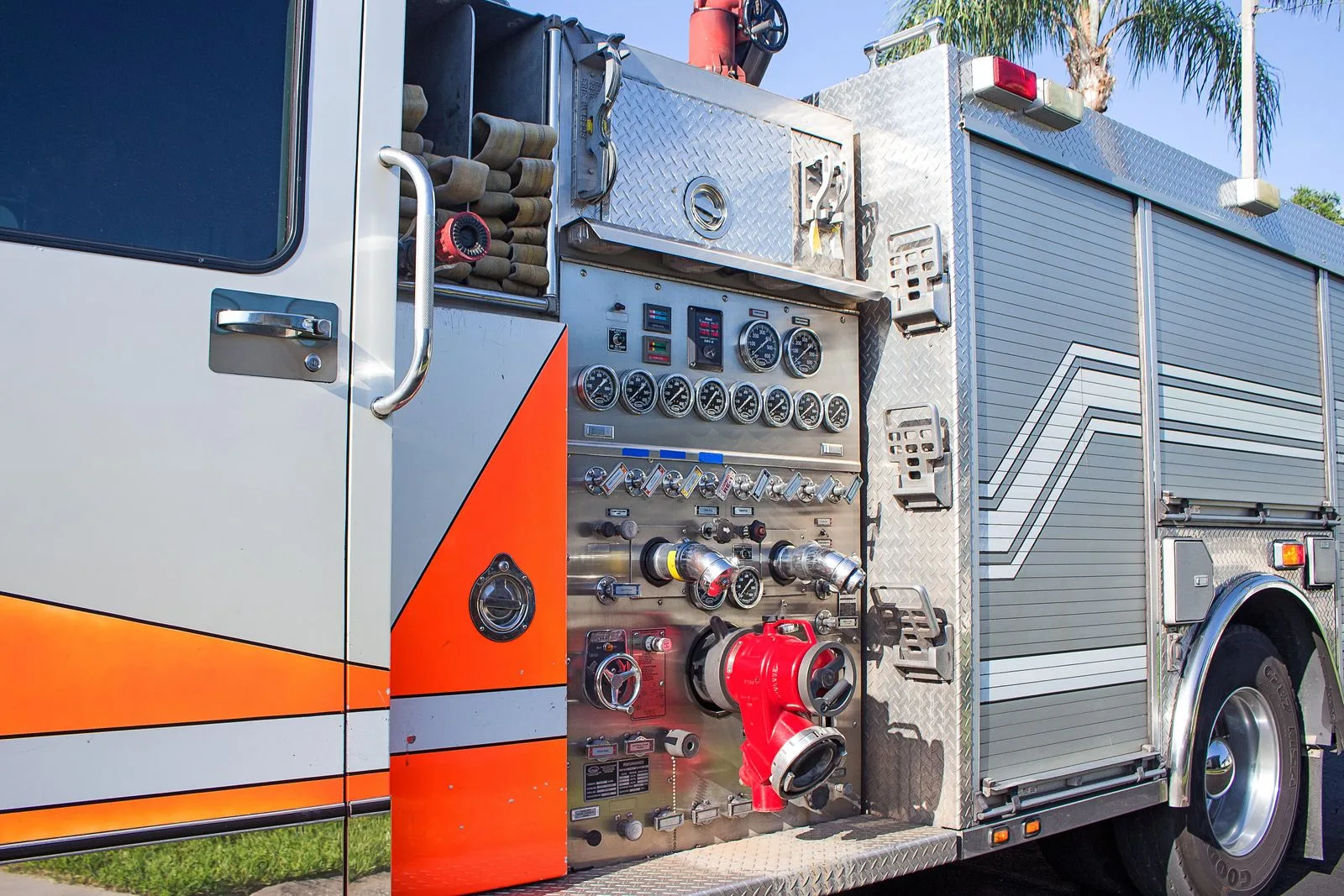
Which premises in Tanzania need a fire safety certificate? On the Mainland the Fire and Rescue Force, a disciplined force under the Ministry of Home Affairs, inspects and certifies premises under Cap. 427. Factories, warehouses, fuel installations, hotels, bars, hospitals, pharmacies, schools, malls, markets, halls of assembly and multi-storey offices are the usual catch; the test is occupancy and stored risk, not floor area alone. The certificate is premises-specific and renewed on an annual cycle, and the trade licence, the occupation permit and the fire insurer each ask to see it. Zanzibar premises answer to the islands’ own service. Confirm the live form and assessed charge with the fire office holding that district.
This page is the fire certificate operating file: which premises the Force will inspect, in what order the desks take the work, and what the occupier must hold before a licensing officer signs. It is not a fire-engineering design code and not a replacement for the council’s building permit.
- The first ninety days after incorporation: launch plan
- The firm that signs the fire drawings: ERB registration
- Before you commit to the plot: land due diligence
- Where servicing invoices land: books and records
As at 14 September 2026. This file rests on the Fire and Rescue Force Act (Act No. 14 of 2007, Cap. 427, Revised Edition 2023) and the schedules made under it; confirm live forms and charges at moha.go.tz and with the district fire office.
The mandate sits with the Force, not with the council
The Fire and Rescue Force is a uniformed service headed by a Commissioner General and reporting through the Ministry of Home Affairs. Its regional and district offices hold the inspection diary, assess the charge, walk the premises and sign the certificate. A municipal building permit is a different desk with a different file: the council approves construction, the Force approves fire safety, and neither instrument carries the other.
Cap. 427 is a Mainland instrument. Premises in Unguja and Pemba are inspected by the Revolutionary Government’s own fire and rescue service, and the licence that demands the certificate is issued on the Zanzibar side: company registration at BPRA rather than BRELA, trade licensing through the Zanzibar authority rather than a Mainland council. Sending an island hotel file to a Dar es Salaam office wastes a season.
Which premises are caught
The reach is occupancy-led. Where people sleep, gather, are treated or taught, and where goods or fuels sit in quantity, the Force expects a file. A desk in an already-certified office block shelters under the building’s certificate; a kitchen, a laboratory or a fuel pump never does.
| Premises class | What the officer weighs | Approval that will ask for the certificate |
|---|---|---|
| Factory, warehouse, cold store | Stored quantity, hazard class, separation distances, hydrant coverage | Workplace registration and the council trade licence |
| Hotel, guest house, bar, restaurant | Sleeping risk, kitchen gas, escape from upper floors | Hospitality licensing and the council licence |
| Fuel station, LPG store, chemical store | Tank spacing, bunding, earthing, foam stock | EWURA licence for petroleum retail |
| Hospital, clinic, pharmacy, laboratory | Oxygen and reagent storage, evacuating non-ambulant occupants | Health-facility registration; TMDA premises approval |
| School, college, hostel, hall of assembly | Occupant load, exit width, drill record | Registration by the education authority |
| Mall, market, multi-storey office | Common escape routes, riser and alarm zoning, tenant fit-outs | Occupation permit and each tenant’s own licence |
Drawings first, occupied building second
There are two encounters with the Force, and operators routinely budget for one. At design stage the fire services drawings (hydrants, risers, detection zoning, escape widths, signage) are reviewed before the council will let construction proceed. Those drawings are signed by professionals and firms registered with the Engineers Registration Board (ERB) and the Architects and Quantity Surveyors Registration Board (AQRB); an unregistered draughtsman’s sheet is refused at the counter, not debated.
The second encounter is the physical inspection of the finished building, which produces the certificate the licensing officer wants. Where the as-built differs from the approved sheets (a mezzanine added, a corridor narrowed by shelving, a stair turned into storage) the officer inspects what is there, not what was drawn.
Landlord or tenant: whose name is on it
The certificate attaches to premises; the licence names an occupier. In a shared building the owner carries the common systems (stairs, risers, alarm panel, hydrants, emergency lighting) while a tenant’s fit-out draws its own attention: a restaurant kitchen, a server room, a chemical or paint store, a generator house.
Leases rarely say who applies, who pays the assessment, who keeps the logbook and who calls the renewal. Write it in. A tenant trading on the owner’s lapsed paper is the single most common stall on this page, and the tenant, not the owner, is the one whose licence is held.
The sequence the desks actually take
- Screen the activity before the premises: check the trade against the reserved list at GN No. 487A of 2025, and for non-citizen occupiers check the land route under the Land Act and the derivative right through the Tanzania Investment Centre. A fire file for a business that cannot be held is wasted work.
- Commission the drawings: architectural, electrical and fire services sheets from registered professionals, lodged with the council and reviewed for fire safety.
- Install and commission the systems: extinguishers, hose reels, hydrants, detection and alarm, directional signage and emergency lighting, by a contractor the Force recognises for that work.
- Apply at the district office: application form, company papers, title or lease, approved sheets and servicing certificates; take the assessment in writing.
- Settle the assessment: pay against the control number issued and keep the receipt with the file, not in a phone gallery.
- Host the inspection: the officer walks the building with the drawings and leaves a defect list. Close the defects, then book the re-inspection rather than waiting to be recalled.
- Collect, file and diarise: the certificate joins the licence pack, and the renewal goes in the diary a clear month before the printed expiry.
Documents the file needs
Certificate of incorporation with a current BRELA extract; taxpayer identification certificate; title deed or registered lease for the premises; approved architectural, electrical and fire services drawings with the as-built where they diverge; an electrical installation test certificate; servicing certificates for extinguishers, hose reels and any suppression system, naming the servicing firm; hydrant and pump test records; the fire logbook; the fire marshal training list; the previous certificate where this is a renewal; and the payment receipt.
Names and addresses must agree across the extract, the lease, the application and the licence. A plot number written three ways is a fortnight.
What the officer opens, and what the logbook must show
Exit doors that swing in the direction of travel and are unlocked while people are inside. A protected route reachable without crossing the hazard. Signage and emergency lighting that survive a mains failure. Extinguisher types matched to what is stored, on brackets at height rather than standing behind stock. Hose reels and hydrants that hold pressure. An alarm panel with no zone quietly isolated because it kept sounding. A clear assembly point. Flammables away from ignition sources and the switchboard.
Extinguishers and fixed systems run on an annual service cycle, and the work belongs to a firm the Force registers for it, using equipment meeting the standards the Tanzania Bureau of Standards recognises. A refill sticker from an unregistered garage buys a defect list. The logbook (dated entries for alarm tests, drills, staff training, servicing and defect closure) costs nothing and is missing more often than any hardware.
Fees, the control number and the receipt
Inspection and certification charges sit in the schedule made under Cap. 427 and published by Government Notice, assessed by occupancy class and premises size; a shopping centre and a two-room pharmacy do not pay alike. No figure is published here, because those schedules move by Gazette; take the written assessment from the office holding your district.
Payment runs to the Government against a control number through the Government Electronic Payment Gateway, and the receipt belongs in the pack. Money handed to an officer is not a fee; it is a matter for the Prevention and Combating of Corruption Bureau, and it contaminates the file it was meant to speed.
Illustrative arithmetic: a two-floor Dar warehouse
Take a 2,400 m² storage building with an office floor above. Assume the fire engineer’s schedule places one portable extinguisher per 200 m² of ordinary-hazard floor, twelve units, plus two more for the switch room and the staff kitchenette, so fourteen in service. Assume annual servicing is quoted at TZS 35,000 a unit: TZS 490,000 before tax, plus value added tax at 18% under the Value Added Tax Act Cap. 148 of TZS 88,200, giving TZS 578,200 on the servicing invoice alone.
The Force’s assessed charge, the hydrant and pump test, remedial work and the re-inspection sit outside that line. Illustrative arithmetic, not a quotation: the unit price and the count are assumptions, and the real schedule belongs to the engineer who signs the drawings.
Where this file stalls
- Escape doors padlocked against theft during trading hours, with the key in a manager’s pocket
- Partitions moved during fit-out, so what stands does not match what was approved
- Certificate held in the owner’s name while the trade licence sits in the occupier’s
- Service stickers more than a year old, or issued by a firm the Force does not register
- Applying the week the trade licence expires, leaving no room for defects and a second visit
- Stock stacked against the switchboard or narrowing the only protected stair
- A premises address on the application that the company extract does not carry
The insurer reads the paperwork before the loss
Fire cover written by insurers licensed by the Tanzania Insurance Regulatory Authority is underwritten on an assumption of statutory compliance. After a loss the appointed surveyor calls for the certificate, the service records and the logbook; a gap there opens the way to a reduced settlement or an outright repudiation.
Staff injured in the same event become a Workers Compensation Fund claim and an occupational-safety investigation at once. The certificate is among the cheapest lines in an operating budget; the argument after a fire is not.
Mandate-holders this file does not replace
The Force issues the certificate. The council owns the building permit and the occupation permit. The Occupational Safety and Health Authority registers the workplace and inspects it under the Occupational Safety and Health Act, 2003. EWURA licenses petroleum retail; TMDA approves medicines and food premises; education and health authorities register schools and facilities. ERB, AQRB and the Contractors Registration Board own the designers and the builder. TIRA owns the insurer.
Zatra prepares, structures and coordinates the pack and the diary. It does not inspect premises, design fire systems, practise law or issue any approval, and no regulatory outcome is promised.
What to confirm before you act
- The live application form, the written assessment and the diary at the office holding jurisdiction over your plot
- Whether the premises fall on the Mainland under Cap. 427 or on the islands under the Zanzibar service
- Which sector licence in your trade demands the certificate, and when that licence itself expires
- What the lease says about applying, paying, servicing and holding the logbook
- That your servicing contractor is registered with the Force for the work being invoiced
- That the building as it stands matches the sheets the reviewer approved
Frequently asked questions
Does every business need a fire safety certificate?
No. Certification follows occupancy and stored risk: sleeping accommodation, public assembly, treatment, teaching, and any quantity of stored goods or fuel. A single desk inside a certified block normally sits under that building’s own paper rather than applying separately.
How long does the certificate last?
It runs on a yearly cycle, and the expiry printed on the face governs. Begin renewal a month early so remedial work and a re-inspection do not overrun your trade licence.
Can we trade while the application is pending?
That is the licensing officer’s decision, not the fire office’s. Most sector desks treat missing or lapsed certification as an incomplete application, so trading on a pending file risks the licence itself.
Does the landlord’s certificate cover our unit?
For common systems, usually. For your own fit-out (kitchen, laboratory, server room, paint store) expect separate attention. Settle in the lease which side applies, pays the assessment and keeps the service records.
Is a Mainland certificate valid in Zanzibar?
No. Cap. 427 governs the Mainland only. Island premises fall to the Revolutionary Government’s fire and rescue service and are licensed through Zanzibar desks, with company records held at BPRA.
What does an inspection cost?
The charge is assessed by occupancy class and size under the schedule made under the Act and paid by control number. Ask the district office for the written assessment; this page publishes no amount.
Who may service our extinguishers?
A contractor registered with the Force for that work, using equipment carrying a recognised Tanzania Bureau of Standards mark. The service certificate should name the firm’s registration, the technician and the date on each unit.
Sources & regulators
Verify before filing: Rates, forms and thresholds move by Finance Act, Government Notice and portal revision. Confirm the live schedule on the mandate-holder portal before you budget or submit. Law-firm alerts and Big Four notes are discovery only.
- Ministry of Home Affairs: parent ministry of the Fire and Rescue Force; live application forms, district offices and fee assessments. Accessed 2026-09-14.
- Parliament of Tanzania: the Fire and Rescue Force Act, Act No. 14 of 2007 (Cap. 427), and the Government Notices made under it. Accessed 2026-09-14.
- Occupational Safety and Health Authority: workplace registration and inspection under the Occupational Safety and Health Act, 2003, which runs parallel to fire certification. Accessed 2026-09-14.
- Tanzania Insurance Regulatory Authority: licensed insurers whose fire cover is underwritten on an assumption of statutory compliance. Accessed 2026-09-14.
- BRELA: company extract whose registered name and premises address must match the certificate application. Accessed 2026-09-14.
Disclaimer
This article is informational orientation. It is not legal, tax or investment advice and not a government decision. Tanzanian instruments move by Act, Government Notice, Finance Act and portal revision. If a sentence here disagrees with the live mandate-holder, the mandate-holder wins. Zatra Consultants Limited does not issue licences, permits, tax clearances or approvals, and gives no assurance of any regulatory or banking outcome. Professional fees are published only on /pricing/.